Travel informed

Mauritius travel guide: rules, differences and practical advice

What to check before departure, what works differently on the island and where to confirm current official rules.

Verified and updated

17 August 2026

A concise, source-led reference for the practical questions that can affect an island stay — from arrival documents and road habits to weather alerts and emergency help.

What often surprises visitors

Six differences worth knowing early

01

Traffic keeps left

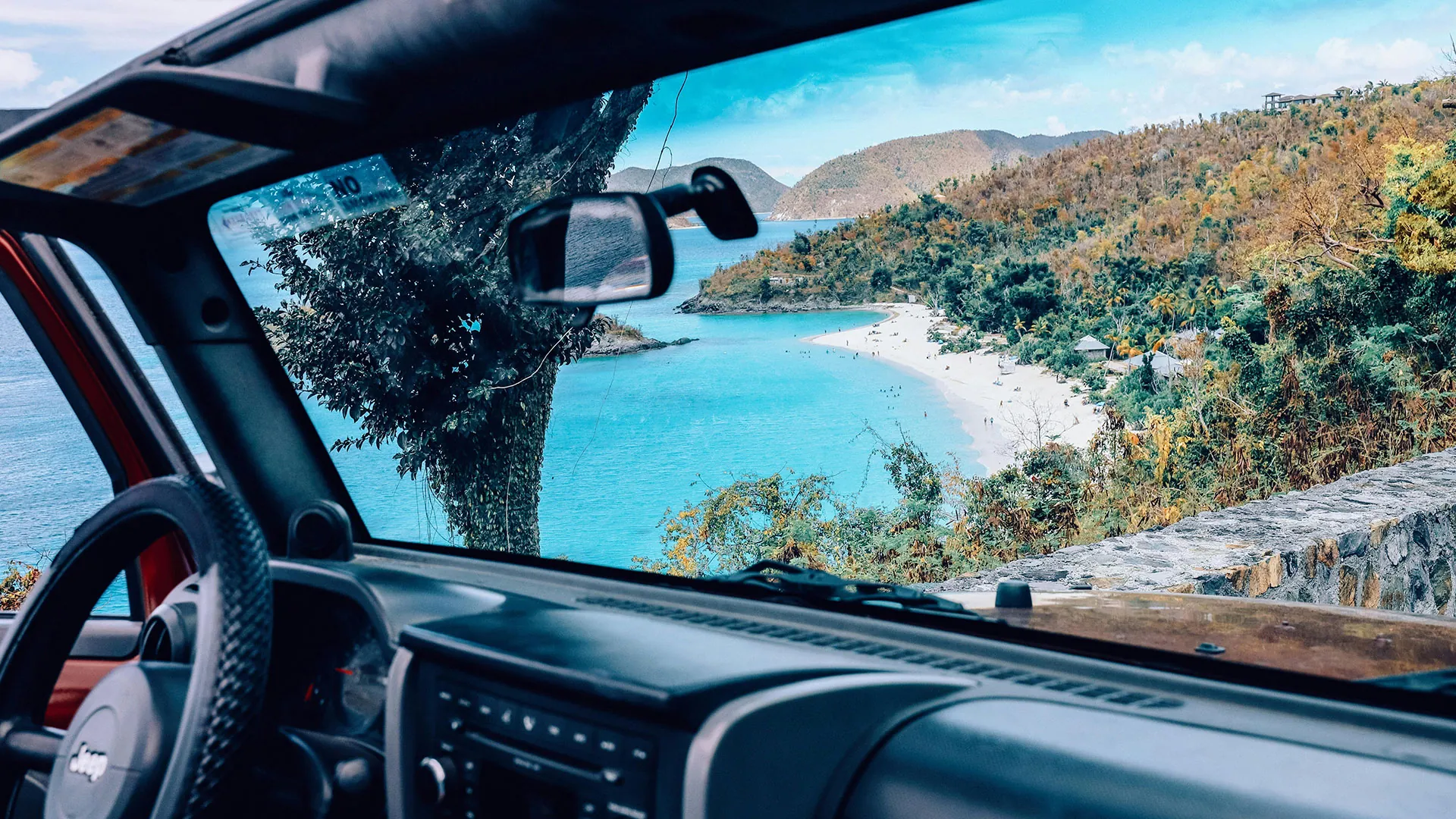
Vehicles drive on the left and most steering wheels are on the right. Allow time to adapt, especially at roundabouts and after a long flight.
02

A tourist fee may be separate

Qualifying tourist accommodation charges EUR 3 per tourist aged 12 or over, per night, under the rules effective from 1 October 2025.

03

Immigration decides admission

A visa exemption does not by itself guarantee entry. Passport validity, onward travel, funds and confirmed accommodation may be checked.

04

High-value currency must be declared

Cash and bearer instruments above the official MUR 500,000 threshold, or equivalent, fall under declaration requirements.

05

A beach is not automatically a drone zone

Public access, privacy, people, airports and protected or restricted airspace make casual flights risky. Check the current Civil Aviation rules first.

06

Cyclone season is defined

The official tropical cyclone season runs from 1 November to 15 May; live warnings take priority over a general weather forecast.

01

Entry documents and the arrival form

Check the rule for your passport, not only your departure country.

  • Travel with a passport valid beyond your intended stay, a return or onward ticket, evidence of sufficient funds and confirmed accommodation or sponsorship.
  • Visa requirements depend on nationality. Even where no visa is required in advance, the final admission decision is made at the border.
  • Complete the current Mauritius All-in-One Travel Form when required and review the latest health or traveller advisory before boarding.
  • A visitor may not take paid work or conduct gainful activity without the relevant permit.
Official sourcePassport and Immigration Office — travel requirements
02

Tourist fee and licensed accommodation

Budget for a statutory fee that may be collected separately from the room rate.

  • From 1 October 2025, the Mauritius Revenue Authority guide sets a tourist fee of EUR 3 per tourist per night for qualifying tourist accommodation.
  • Guests under 12 are excluded under the published guide. Ask the property how the fee appears on your booking or invoice.
  • Choose accommodation with the required Tourist Accommodation Certificate or licence. Short-term villas offered to tourists are part of the regulated sector.
Official sourceMauritius Revenue Authority — Tourist Fee guide
03

Driving, licences and road habits

Left-hand traffic is the first difference; defensive driving is the important one.

  • Traffic drives on the left. Visitors with a licence issued by a competent authority in their country may drive during their stay, subject to the current conditions and rental-company requirements.
  • Use seat belts, respect posted speed limits and do not use a hand-held phone while driving. Watch for pedestrians, cyclists, buses, narrow shoulders and unlit roads after dark.
  • Alcohol limits are enforced. The safest travel rule is simple: if you drive, do not drink.
  • Confirm whether your rental company requires an International Driving Permit or a translation for your particular licence.
Official sourceMauritius Police Force — Traffic Branch and road safety
04

Money, customs and declarations

The local currency is MUR, and the red channel is the right choice whenever you are unsure.

  • Mauritian rupees (MUR or Rs) are used locally. Cards are common in visitor-facing businesses, but smaller purchases and markets may be easier with cash.
  • Declare restricted or prohibited goods, commercial quantities and goods above your personal allowance on arrival.
  • Currency, bearer negotiable instruments, precious stones, precious metals or high-value goods above MUR 500,000, or equivalent, are subject to the official declaration rules.
  • Plants, seeds, fresh food, animal products, weapons and other controlled items can require permits. If in doubt, use the red channel and ask Customs.
Official sourceMauritius Revenue Authority — Customs information on arrival
05

Medicines and controlled products

A prescription at home does not automatically remove import controls abroad.

  • Keep medicines in original labelled packaging and carry the prescription or a doctor’s letter showing the generic name and required quantity.
  • Some narcotic, psychotropic or otherwise controlled medicines may require advance authorisation. Check with the Mauritian authority or diplomatic mission before travel.
  • Do not carry medication for another person, and bring only a reasonable quantity for your own trip unless an authority confirms otherwise.
Official sourceGovernment of Mauritius — consular information on travelling with medicines
06

Weather, cyclones and changing sea conditions

Mauritius is a year-round destination, but tropical systems require real-time decisions.

  • The official cyclone season runs from 1 November to 15 May. A cyclone does not affect the island every day of that period, but preparation and live alerts matter.
  • Follow Mauritius Meteorological Services and national authority warnings. Respect closure, shelter and travel instructions; do not go to the coast to watch heavy swell.
  • Intense rain can cause local flooding even away from a cyclone. Reconsider river, waterfall and hiking plans after heavy rainfall.
Official sourceNational Disaster Risk Reduction and Management Centre — cyclones
07

Lagoon, reef and nature safety

A calm-looking lagoon can still have wind, tide, current and boat traffic.

  • Use recognised swimming areas and follow flags, signs, lifeguards and local operator instructions. Reef passes and channels can carry stronger currents.
  • Wear the supplied life jacket on boats, supervise children continuously and confirm that the operator and skipper are appropriately licensed.
  • Do not stand on or remove coral, feed wildlife or leave waste. Choose reef-safe behaviour and established access points.
Official sourceTourism Authority — licensed tourism and pleasure craft categories
08

Drones, privacy and restricted areas

Check the current aircraft category and location before packing a drone or planning a flight.

  • Mauritius has current unmanned-aircraft regulations, registration and operational requirements. The applicable category depends on the aircraft and flight.
  • Do not assume that a public beach, resort, nature area or landmark is an unrestricted launch site. Property permission, people, privacy, airspace and airport proximity all matter.
  • Consult the Department of Civil Aviation’s current drone page, regulations, forms and fee notices before travel; obtain every permission that applies.
Official sourceDepartment of Civil Aviation — drone requirements

FAQ

Mauritius travel questions

Do I need a visa for Mauritius?

It depends on your nationality and circumstances. Use the current Passport and Immigration Office country rules, and remember that border admission also depends on passport validity, onward travel, funds and accommodation.

Is the Mauritius tourist fee included in my villa rate?

It may be shown or collected separately. The published fee is EUR 3 per tourist aged 12 or over per night for qualifying accommodation, so confirm how it appears in your specific booking.

Can I drive in Mauritius with my home-country licence?

Official Mauritius information says visitors with a licence issued by a competent authority in their country may drive during their stay. Your licence language, vehicle category and rental-company rules can create extra requirements, so confirm before collection.

Can I fly a drone from a beach in Mauritius?

Do not assume so. Public access, property permission, people, privacy, controlled airspace and current unmanned-aircraft requirements all apply. Check the Department of Civil Aviation before travel and obtain any required permissions.

What are the main emergency numbers in Mauritius?

Police is 999 or 112, emergency medical service is 114 and fire and rescue is 115. Save these numbers and your accommodation contact offline.

Stylia Villas Mauritius

Your Mauritius escape starts here

Book directly for clear availability and personal support from the Stylia Villas team.
Check availability